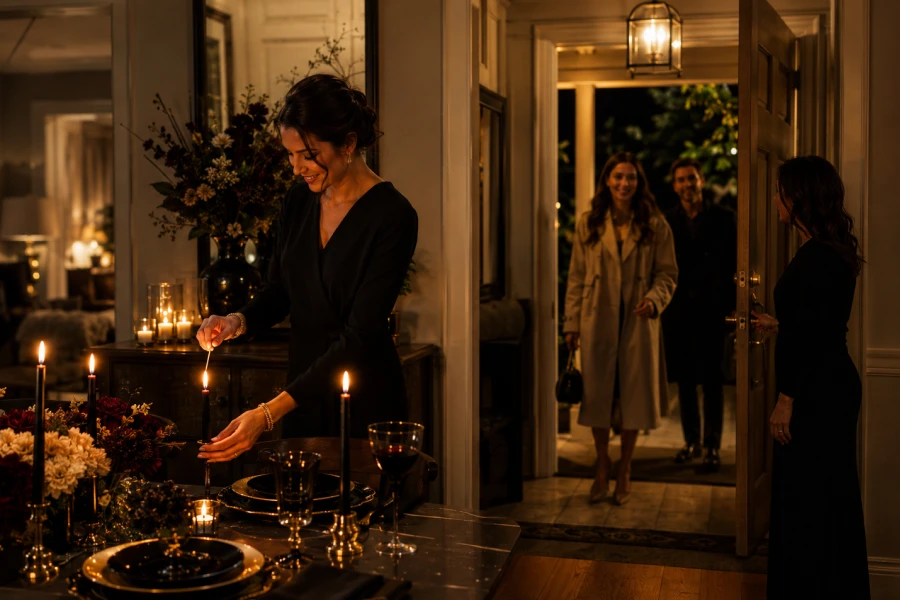
Some gatherings feel relaxed from the first minute, while others make everyone sense the host’s stress. The difference usually appears before guests arrive. Effortless hosting is not about pretending everything happened easily. It is about building enough structure that the evening can breathe. A good host makes thoughtful decisions early, then lets the room become natural. Food, seating, lighting, music, and timing all support that feeling. When these details work together, guests feel cared for without feeling managed. The host also gets to participate instead of constantly performing. That balance is what makes a gathering feel generous.
Preparation creates freedom during the event. When the main decisions happen earlier, the host can respond to people instead of tasks. This does not require a formal schedule. It requires clear priorities. Decide what must be finished before guests arrive. Decide what can remain casual. Decide what will not matter by the end of the night. A strong source for hosting preparation ideas can help simplify those choices. The goal is not perfection. The goal is fewer decisions during the gathering, so your attention stays with the room.
Guests form an impression within moments of arriving. They notice light, scent, sound, and where to place their things. A welcoming entry does not need elaborate styling. It needs clarity and warmth. Make space for coats or bags. Keep lighting flattering but practical. Let music start before the first knock. Place drinks somewhere visible. These simple cues help guests settle without asking too many questions. A relaxed beginning changes the whole evening. People feel oriented. They know what to do next. That immediate ease gives the gathering momentum before conversation even begins.
A simple menu often creates a better experience than an ambitious one. Guests rarely remember how many dishes appeared. They remember whether the food felt generous, easy to enjoy, and timed well. Choose dishes that can be prepared ahead or finished quickly. Avoid recipes that trap you in the kitchen. Include something fresh, something hearty, and something easy to refill. Helpful easy entertaining tips usually return to this same idea. Food should support connection, not steal the host from the table. Simplicity lets hospitality feel calm.
Every gathering has a flow, even when nobody names it. Guests arrive, settle, eat, talk, shift seats, and eventually wind down. A host can support that rhythm without controlling it. Place drinks away from the doorway to prevent crowding. Keep snacks where people naturally gather. Arrange seating in small conversation zones. Leave some open space so people can move. These choices guide behavior quietly. They make the event feel easy without announcing rules. Good flow also reduces awkward pauses. Guests understand the room through instinct. That invisible guidance often feels like effortless charm.
Many hosts try to do everything alone because they want guests to feel cared for. Yet small invitations to help can make people feel more comfortable. Someone can pour drinks. Someone can carry plates. Someone can choose the next playlist. These minor tasks create belonging without turning guests into staff. The key is asking casually and specifically. Avoid dramatic apologies or long explanations. A thoughtful approach to stress-free hosting includes accepting help gracefully. Hospitality is not a solo performance. It is a shared atmosphere that everyone can strengthen.
The end of a gathering matters because it shapes the final memory. A soft ending does not rush people out or leave them wondering what happens next. Lower the music slightly. Bring out tea, dessert, or a final simple drink. Start clearing lightly without breaking the mood. Thank guests warmly and personally. If leftovers make sense, offer them without pressure. These small gestures help the night close with care. They also keep the host from feeling overwhelmed after everyone leaves. A good ending makes guests feel appreciated. It makes the whole evening feel complete.




Leave a comment