
A beautiful gathering can still feel stiff if every moment seems managed. Guests usually want warmth before perfection. They want a room where conversation can stretch, food feels easy, and the host seems present. Hosting tips for gatherings work best when they protect that sense of ease. The goal is not to impress people into silence. The goal is to make them comfortable enough to participate. A relaxed event can still be thoughtful, stylish, and memorable. It simply avoids the pressure of performance. When planning supports connection, the gathering feels naturally generous.
A clear mood helps every decision feel simpler. Choose whether the gathering should feel cozy, celebratory, calm, lively, elegant, or casual. That one choice guides lighting, food, music, seating, and timing. Without it, details may compete. A cozy dinner needs different choices than a bright afternoon brunch. A lively birthday needs different energy than a quiet holiday meal. Good party hosting strategies begin with emotional direction. Once the mood is clear, you can stop chasing every possible idea. The event starts to feel focused without becoming rigid.
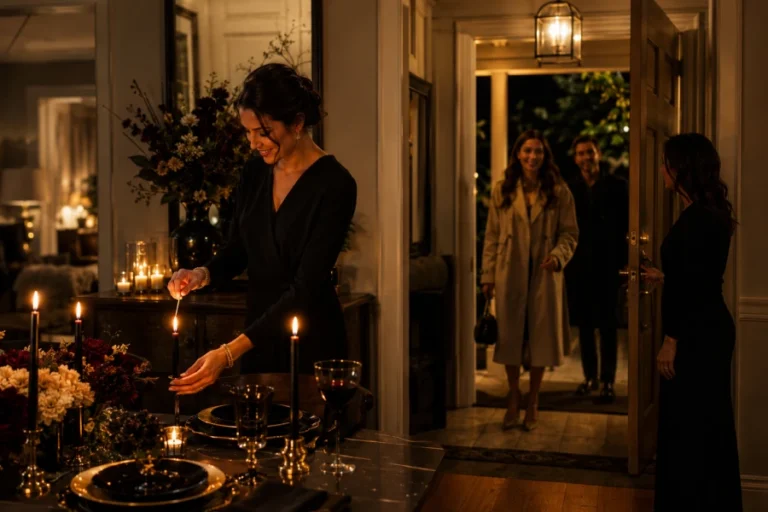
Arrival sets the tone faster than any centerpiece. Guests should know where to go, what to do, and how to settle in. Open the door with warmth, not panic. Offer a drink quickly. Point out food, seating, and any practical details. Keep the entrance clear and welcoming. Avoid making guests stand awkwardly while you finish urgent tasks. A calm arrival tells people the event is ready for them. It also helps late arrivals blend in smoothly. When the first five minutes feel comfortable, guests become more open to the rest of the evening.
Flexible food lets guests serve themselves, return for more, and eat at their own pace. Platters, boards, bowls, and family-style dishes often support conversation better than fussy plated meals. They also reduce pressure on the host. Choose foods that hold well and still taste good at room temperature. Include options for different appetites. Keep backup snacks nearby. Practical dinner party planning does not mean making everything complicated. It means choosing food that helps the room relax. The best menu quietly serves the mood you want.
Conversation needs physical and emotional space. Arrange seating so people can talk without shouting across the room. Keep music present but not dominant. Avoid filling every minute with activities. People often need a little quiet to find their rhythm. If the group is new to each other, offer gentle introductions. If the group is close, let them settle into familiar patterns. A host does not need to control every exchange. Sometimes the most generous move is stepping back. When guests feel unhurried, the conversation becomes richer and more personal.
Lighting and sound quietly control the atmosphere. Bright overhead lights can make a room feel practical instead of welcoming. Softer lamps, candles, or dimmed fixtures create warmth quickly. Music should support energy without stealing attention. Build a playlist that matches the arc of the event. Start brighter, soften during the meal, and lift again if the night becomes lively. Thoughtful welcoming home events often depend on these invisible details. Guests may not mention them directly. They simply feel more comfortable because the environment supports them.
A gathering cannot feel relaxed if the host is exhausted before it begins. Build a plan that protects your own energy. Prepare what you can the day before. Choose one or two details to make special, then simplify the rest. Accept help without apology. Let small imperfections pass. Guests usually care much less about tiny mistakes than hosts imagine. They care about being welcomed. They care about feeling included. Protecting your energy allows you to offer that presence. The best hosting plan leaves room for you to enjoy the people you invited.



Leave a comment